
Partial Knee Replacement
The knee has three compartments: medial (inside), lateral (outside), and patellofemoral (kneecap-thighbone), and partial knee replacement resurfaces only the diseased compartment with metal and plastic while leaving healthy structures untouched. This bone- and ligament-sparing approach can provide a more “natural” knee sensation and better range of motion compared with total knee replacement, particularly when disease is confined and alignment is correctable. Patient education resources from major centers emphasize its role after non-surgical options fail to control pain, stiffness, swelling, and functional limitations from localized arthritis or osteonecrosis.
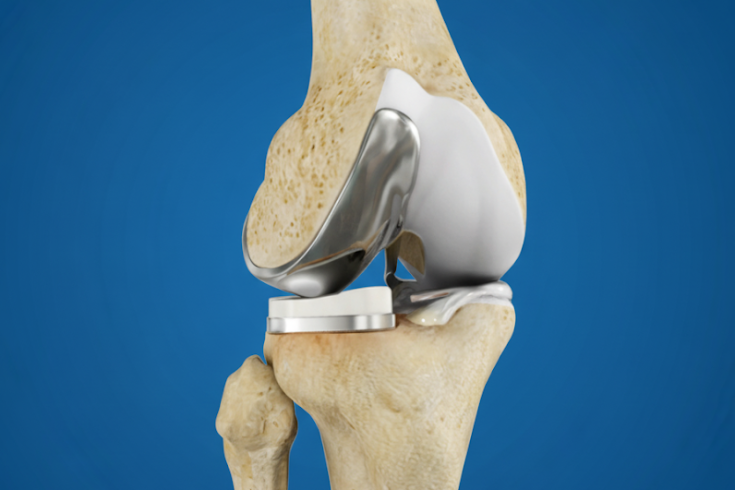
Who should get partial knee replacement
- Ideal candidates have unicompartmental osteoarthritis or osteonecrosis with pain predominantly on the inside or outside (or front) of the knee, minimal rest pain, and symptoms localized to a single compartment on exam and imaging.
- Selection criteria typically include intact cruciate and collateral ligaments, correctable varus/valgus deformity less than about 15°, flexion contracture less than about 15°, preserved range of motion, and absence of inflammatory arthritis or active infection.
- Suitability also depends on bone quality, weight, activity goals, and knee stability; clinicians confirm compartment involvement with X-rays/advanced imaging and correlate with focal joint line tenderness and mechanical symptoms.
- Additionally, candidates should have attempted appropriate non-surgical treatments (medications, physical therapy, injections) without sufficient relief, unless there is clear bone-on-bone disease where earlier surgery may be considered.

Ready to Take the Next Step?
Schedule a consultation with Dr. Michael Murphy to find if partial knee replacement is the right solution for you.
The advantages of precise surgery
- Surgical precision improves implant alignment and soft-tissue preservation, which are linked to improved function and longevity; robotic assistance can enhance coronal alignment (hip–knee–ankle angle) and Oxford Knee Scores versus conventional techniques in meta-analyses.
- More accurate component positioning and patient-specific planning may reduce tissue damage and expedite recovery, though costs and training requirements are higher and long-term cost-effectiveness continues to be studied.
- Precision also supports the key UKA benefits over total knee replacement—quicker recovery, less pain, less blood loss, and lower infection/thromboembolism risk—while helping preserve native kinematics via ligament conservation.
How doctors help in this condition
- Assessment involves detailed history, focused exam to localize pain to one compartment, weight-bearing radiographs, and sometimes advanced imaging to confirm isolated disease and ligament integrity before recommending UKA.
- Multidisciplinary perioperative care includes anesthesia optimization, blood-loss minimization, pain protocols prioritizing NSAIDs/local anesthetics with judicious opioids, and early weight-bearing with mobility aids as needed.
- Postoperative rehabilitation with structured physiotherapy begins within days to restore range of motion, strength, and gait; surgeons schedule follow-ups to monitor wound healing, alignment, and progress, facilitating faster return to activities than total knee pathways.
Frequently Asked Questions (FAQ)
Q1: Is partial knee replacement better than total knee replacement?
For isolated single-compartment disease, partial replacement can feel more natural, with quicker recovery, less pain, less blood loss, and lower infection risk; however, arthritis can progress in other compartments, sometimes requiring conversion to total knee later.
Q2: How long is recovery after partial knee replacement?
Many patients weight-bear immediately with a walker/cane, begin physiotherapy within days, and return to routine activities in weeks; specific timelines vary by age, health, and adherence to rehab, with some driving between 2–6 weeks as cleared by the surgeon.
Q3: Who is not a candidate for partial knee replacement?
Patients with inflammatory arthritis, multi-compartment degeneration, significant fixed deformity or flexion contracture beyond accepted thresholds, ligament insufficiency, or active infection are generally not suitable.
Q4: Does robotic assistance make a difference?
Robotic-assisted UKA can improve alignment accuracy and early functional scores compared with conventional methods, potentially reducing outliers, though not all outcomes show differences and long-term advantages and costs are still being evaluated.
Q5: What are the main risks and future considerations?
Risks include infection, blood clots, stiffness, component loosening, and the possibility of future total knee replacement if arthritis develops in untreated compartments; careful selection and precise technique help mitigate these risks.