
Second Opinion
Seeking a second opinion means consulting a different orthopaedic specialist to review symptoms, imaging, labs, and prior recommendations to validate the diagnosis and compare treatment paths, from continued nonoperative care to surgery. This process reduces uncertainty, helps align care with personal goals, and is encouraged by many surgeons when cases are complex, outcomes have been disappointing, or surgery is proposed. Many health systems and programs now offer structured virtual second opinions that match cases to subspecialists and streamline logistics securely.
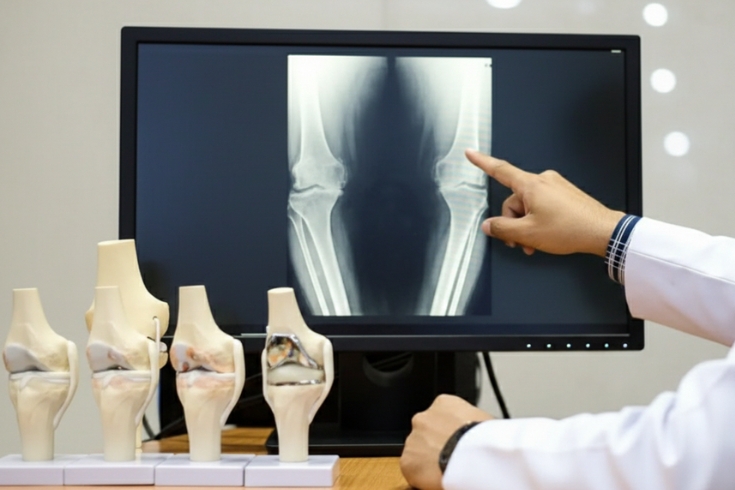
Who should get a second opinion
- Recommended when facing major surgery (e.g., hip or knee replacement), conflicting diagnoses, persistent symptoms despite treatment, or rare/complex conditions where options vary widely.
- Appropriate when discomfort exists with a proposed plan, when risks are substantial, or when prior surgery results are unsatisfactory and revision is being considered.
- Also helpful for clarifying nonoperative pathways and expectations before irreversible procedures, with many programs supporting rapid access to subspecialty input online.
- Many programs offer rapid access to subspecialty input online or via telemedicine to review records and imaging and provide timely guidance.

Ready to Take the Next Step?
Schedule a consultation with Dr. Michael Murphy to explore your diagnosis and make an informed decision on your joint health.
The advantages of precise review
- A structured, methodical review of imaging, prior notes, and guidelines can surface alternative diagnoses, reveal missing tests, or suggest less invasive options, potentially avoiding unnecessary surgery while improving outcomes if surgery proceeds.
- Independent assessment improves decision quality and confidence by weighing risks, benefits, and probabilities tailored to clinical details and preferences, often changing management in a meaningful subset of cases.
- Precision in second opinions includes clear documentation, reconciled measurements (e.g., radiographic parameters), and evidence citations, producing a coherent plan that patients and primary teams can execute together.
How doctors help in this condition
- Orthopaedic teams collect records, imaging, and prior operative notes; conduct focused examinations; and synthesize findings against evidence-based guidelines to confirm or adjust the plan while explaining trade-offs and timelines.
- Many centers provide coordinated virtual pathways that match cases to subspecialists, obtain records on the patient’s behalf, and deliver written recommendations quickly, enabling timely decisions without travel.
- Primary and second-opinion surgeons frequently collaborate; it is common and acceptable to seek another view, and most surgeons support informed decisions even if plans change or care is transferred.
Frequently Asked Questions (FAQ)
Q1: Will the original doctor be offended?
Most surgeons welcome informed decisions and are not offended; some even encourage a second opinion for complex or high-stakes choices.
Q2: When is a second opinion most important?
Before major or irreversible procedures, when diagnoses conflict, symptoms persist despite treatment, or risks are high, and when there is uncertainty about the plan or alternatives.
Q3: Can a virtual second opinion work for orthopaedics?
Yes; reputable programs match cases to subspecialists, collect records, and deliver written reports, often within 1–2 weeks after records are gathered.
Q4: What records should be prepared?
Clinic notes, medication lists, operative reports, imaging (X-rays/MRI/CT) and their official readings, and lab results, which enable accurate reassessment and tailored recommendations.
Q5: How often do second opinions change care?
Programs report frequent refinements, with many recommending changes in diagnosis or treatment; even when plans are confirmed, the added clarity and confidence are valuable.